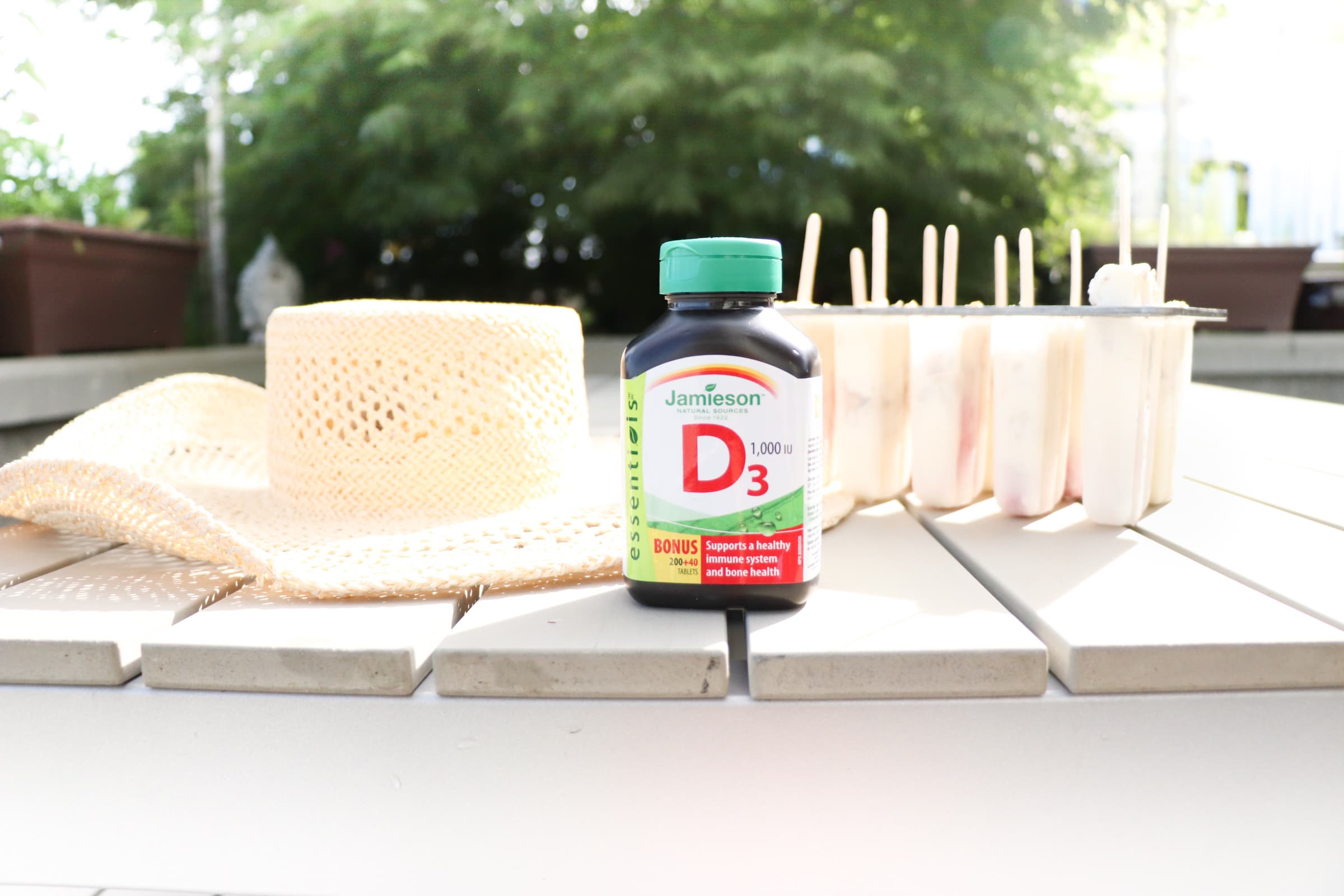
Vitamin D, the sunshine vitamin. Even it’s nickname makes you want more! Haha. As a Registered Dietitian, one of the questions I get asked about most is “what supplements should I be taking?”
While I’m generally all for food first, there are a few supplements I recommend almost everyone take, Vitamin D being one of them.
In this post I’m going to cover questions and topics such as:
- What is vitamin D?
- What does vitamin D do?
- How much vitamin D should I take?
- Best source of Vitamin D
- Supplement Recommendations across the lifespan
And a nice little roundup of some of my favorite recipes to increase vitamin D in your diet! If there’s anything I missed, just pop it in the comments below!
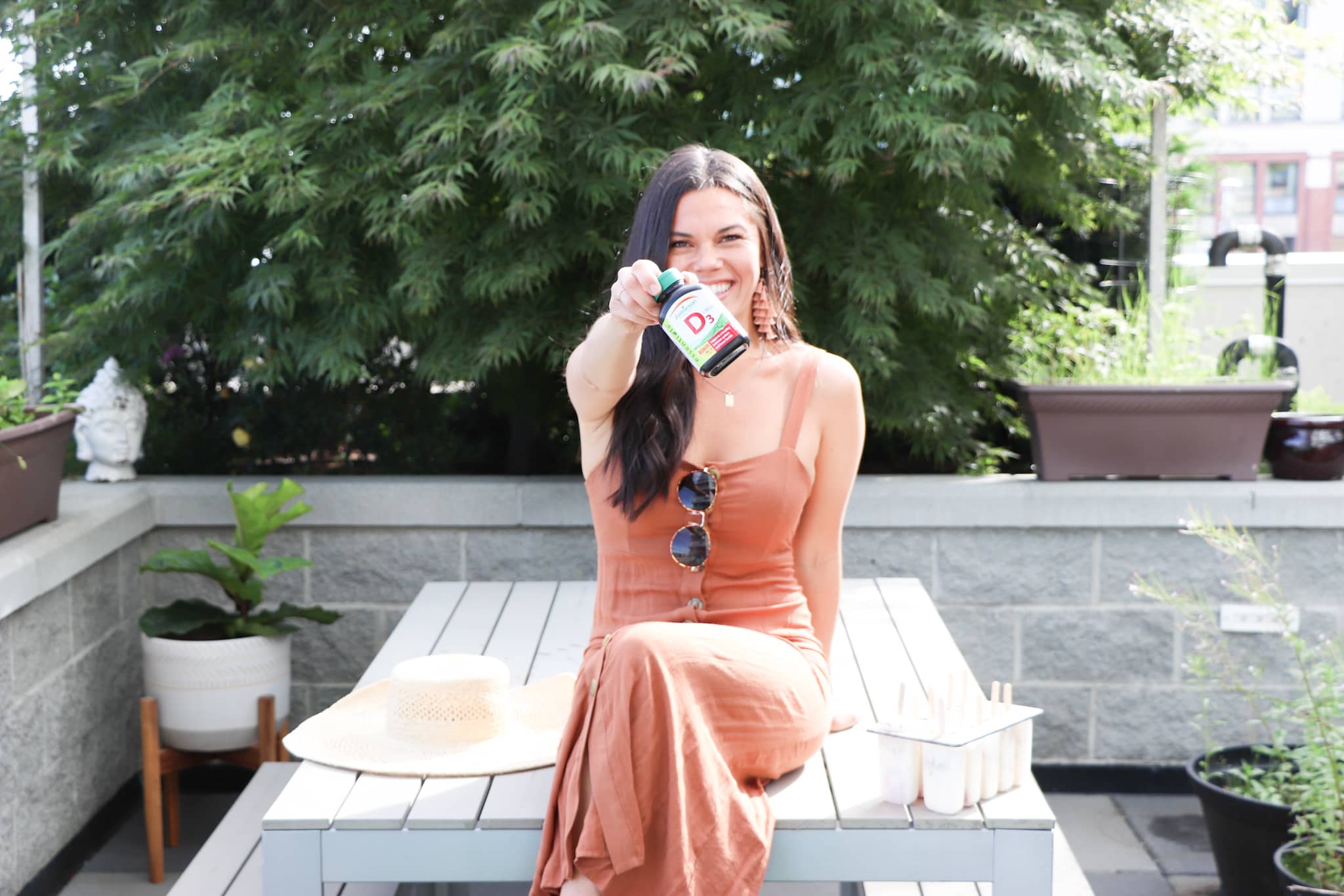
What Does Vitamin D Do?
Vitamin D is a fat soluble vitamin important to many different aspects of our health. The research is growing when it comes to the benefits of Vitamin D and includes:
- Supporting a healthy immune system
- Bone health (it helps our body absorb calcium and phosphorus)
- Potential to reduce symptoms in those diagnosed with clinically significant depression
- Reducing inflammation in chronic disease like diabetes.
How Much Vitamin D Do We Need?
The current recommendations for Vitamin D are as follows:
- Infants (0-12 months): 400 iU/day
- Children (1-8 years) : 600 iU/day
- Children & Adults (9-70 years old): 600 iU/day
- Adults over 71 years: 800 iU/day
Where Can We Get Vitamin D From?
There are 3 places we can get vitamin D:
- Food
- Sun
- Supplements
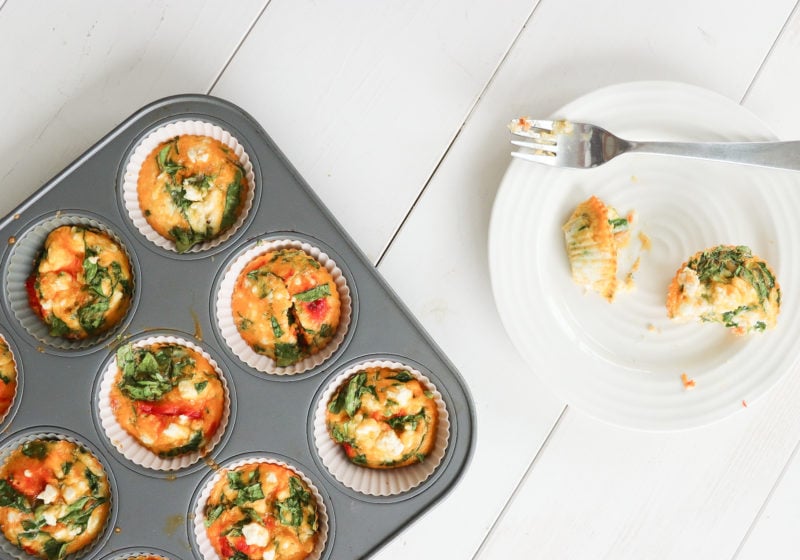
What Foods Have Vitamin D?
Although we can get Vitamin D through food, sources are limited which can make it difficult to consistently get enough through diet alone but here are the main sources if you’re looking to increase your intake! You may be aware that there’s vitamin D in milk, but here are some other food sources to consider:
- Dairy milk (~ 100IU per cup)
- Fortified Soy Beverage (~80IU/cup)
- Fortified yogurt (30-50IU/ 3/4 c serving)
- Salmon
- Atlantic, wild (250IU/75g)
- Chum, canned (200IU/75g)
- Pink, canned (450 IU/75g)
- Atlantic, canned (560IU/75g)
- Trout (approx. 150IU/75g)
- Sardines, canned (~150IU/75g)
- Mackerel (80Iu/75g)
- Egg yolks (70 IU per 2 yolks)
- Mushrooms (Vitamin D in mushrooms is in D2 form which isn’t as effective at increasing levels of Vitamin D in the body)
Can We Make Vitamin D From the Sun?
Technically yes, but our bodies aren’t super effective at doing this. The other major factor to consider is that making Vitamin D from sunlight requires direct exposure. This means no sunscreen, and we know how important it is to protect our skin from the sun!
Skin cancer is one of the most common types of cancer, but it is also the most preventable. The Canadian Cancer Society actually recommends wearing sunscreen year round.
So if you’re wearing sunscreen and protective clothing or are staying away from direct exposure in the shade, you definitely can’t count on the sun for your daily dose.
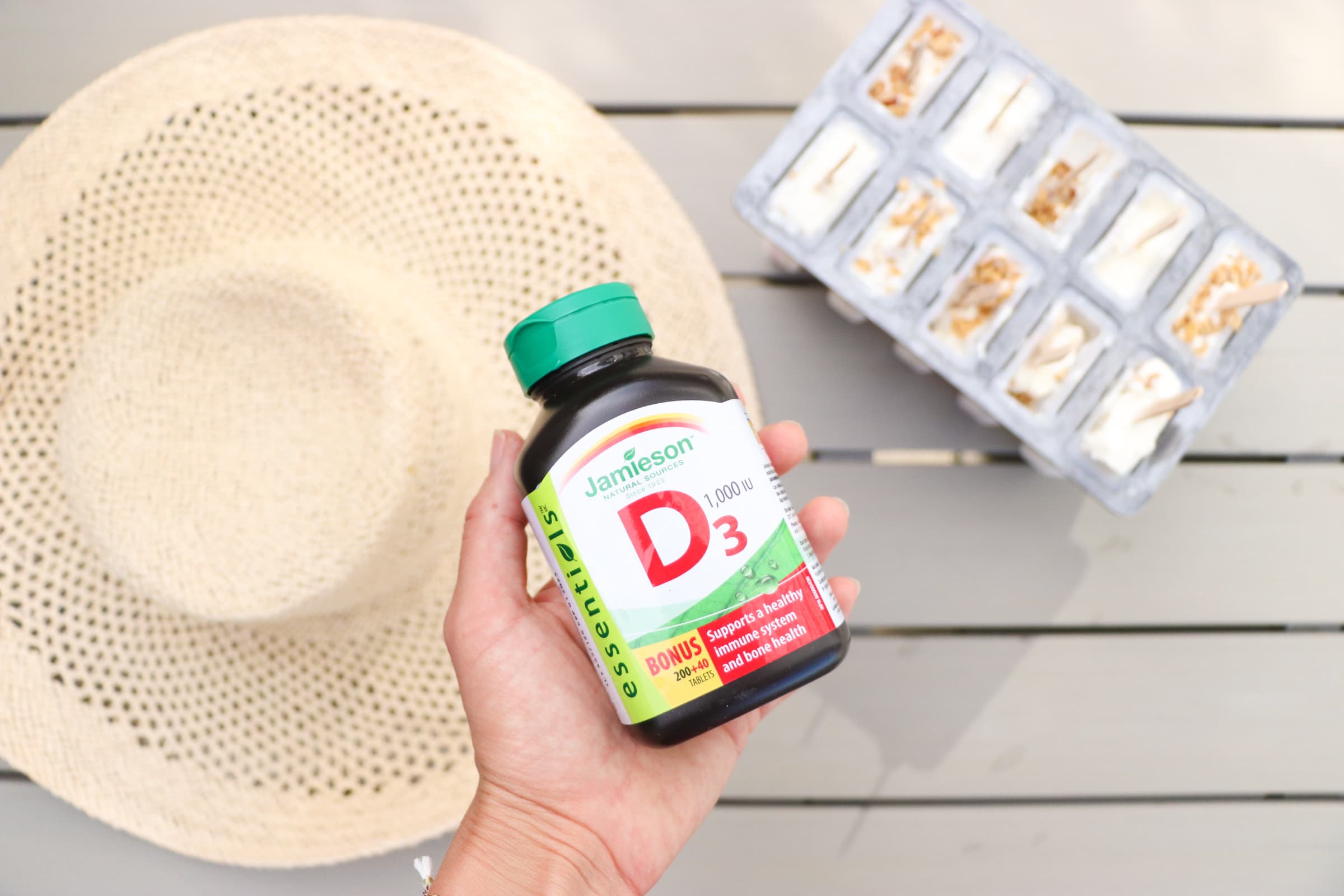
So, Do We Need a Vitamin D Supplement?
To put it simply, yes. Since food sources are limited and we may not be getting adequate amounts on a daily basis, paired with the fact that the sun isn’t a reliable (safe) source, I personally take Vitamin D year round and recommend the same to my clients.
Jamieson Vitamin D is a regular in our house. They’re available in tablets, chewables, and even the baby D drops which is what I’ve been giving to Wylder since he was born!
How Much Vitamin D Should I Take?
According to Health Canada, recommendations are
- 0-12 months: 400 iu/d (varies based on your location and time of year)
- 1-70 years old (including pregnant and breastfeeding): 600 iu/d
- 71 + years: 800 iu/d
There are cases where up to 4000 IU in adults may be beneficial. Always speak to your doctor or dietitian first to verify what is best for you as an individual.
Now for a roundup of recipes high in Vitamin D:
- Cheese Greens MuffinTin Fritattas
- Salmon Spinach & Feta Muffin Tin Fritattas
- Lemon Cheesecake Smoothie Pops
- Baked Salmon with Sundried Tomato Aioli
- The Perfect Salmon Poke Bowl
Now over to you:
I hope you found this article helpful! I would love to know, do you take a vitamin D supplement? Are there areas of your diet you could be getting more? Let me know in the comments below or find me over on Instagram. I look forward to hearing from you!
DISCLAIMER: This post is in partnership with Jamieson Vitamins, however, all opinions are my own and based on scientific research.


Heidi says
Thanks Lindsay!! So informative… I take Garden of Life – mykind D3 Organics Vegan spray 1,000IU. I’ll be 60 in the fall – is what? I like the liquid format a lot, also take B12 & VitC.
Happy Day to you! – Heidi
Lindsay Pleskot says
Hi Heidi! I am so happy to hear you found this post informative! That’s great that you found a vitamin D supplement that is in a format that you like taking! I hope you have a great day!